Why Your Controller Feels Like a Stranger Some Days (And What's Actually Going On)
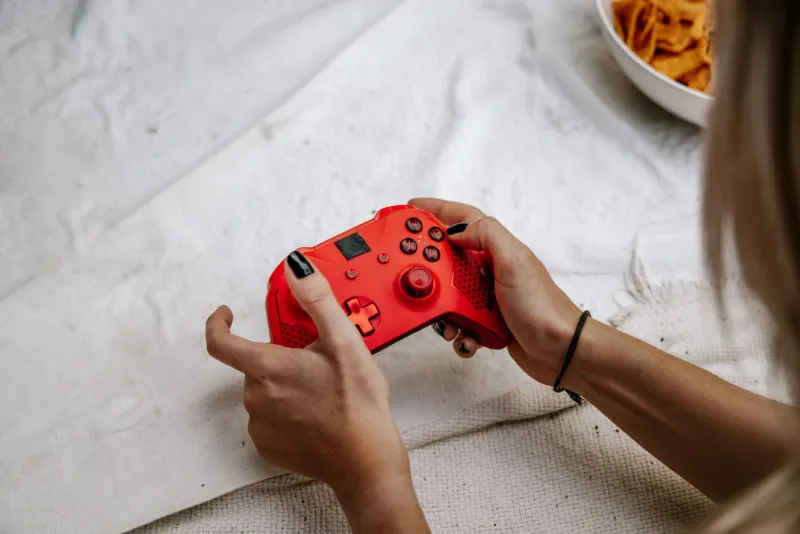
You know the feeling. Yesterday you were hitting shots, reading plays early, moving with confidence. Today the controller feels slightly off — like someone swapped it for a near-identical copy while you slept. Your thumbs can't quite find their groove. The grip doesn't feel as secure. You start wondering if you've somehow forgotten how to play.
Here's the thing: you probably haven't. And you're definitely not alone.
Grip consistency is one of the most underrated variables in competitive gaming, and almost nobody talks about why it breaks down. The conversation usually stops at "buy better grips" or "practice more." But if your performance is fluctuating day to day with no obvious cause, the answer might not be in your hands — it might be in your environment.
The Temperature Factor Nobody's Measuring
Rubber and silicone — the two materials that make up the overwhelming majority of controller grips and thumbstick covers on the market — are surprisingly sensitive to temperature. When ambient room temperature drops, these materials stiffen slightly. Not dramatically, not in a way you'd notice by squeezing the grip in isolation, but enough that the tactile feedback your hands have learned to expect is subtly different.
Think about it this way: your muscle memory was built in a specific set of conditions. If you mostly game in a climate-controlled room at around 70°F, your hands have calibrated to that. Drop the temperature to 60°F on a cold winter morning before the heat kicks on, and the grip surface your thumbs are pressing against has a slightly different give to it. That's not paranoia — that's basic materials science.
This is especially relevant for gamers who play in basements, garages, or rooms with inconsistent HVAC. You might not feel cold, but your controller is quietly changing on you.
Quick fix: Give your controller 10–15 minutes to acclimate to your room before a serious session. If you keep it in a cold car or a chilly bedroom overnight, that adjustment period matters more than you think.
Sweat, Humidity, and the Friction Equation
This one's a little less comfortable to talk about, but it's probably the biggest day-to-day variable for most gamers: palm sweat.
Your hands sweat. Everyone's do. The amount varies based on stress levels, hydration, room humidity, and just plain genetics. And friction — the actual grip force between your palm and your controller — changes dramatically based on how much moisture is present.
On a dry day with low humidity, your hands might feel tacky against a rubberized grip, giving you that locked-in feeling. On a humid summer afternoon, or even after a stressful ranked session, your palms produce more moisture, and that same grip suddenly feels slippery. The controller hasn't changed. The physics have.
High-humidity environments (think the Southeast US in July, or any apartment without good air circulation) can genuinely alter how your grip performs within a single gaming session, not just day to day. If you've ever noticed your performance trending downward the longer you play, heat and sweat accumulation are serious suspects.
What actually helps here: Moisture-wicking grip wraps and perforated silicone covers exist specifically for this problem. Brands like KontrolFreek and Satisfye have options designed to manage moisture rather than just add cushion. If you're gaming in a warm climate or tend to run hot, these are worth a serious look.
Your Skin Is Always Changing
Here's a weird one that almost never comes up: your fingertips and palms aren't a static surface. Skin hydration fluctuates throughout the day based on how much water you've had, whether you've washed your hands recently, and even what you've eaten. Dry, slightly rough skin grips differently than well-moisturized skin.
Some players — especially those who wash their hands frequently or live in dry climates — notice that their grip feels inconsistent in ways that seem totally random. It's not random. It's dermatology.
A thin, non-greasy hand lotion applied 20–30 minutes before gaming can actually stabilize your skin's texture enough to make a noticeable difference. You're not going for spa treatment here — just enough moisture to keep your skin from becoming abrasive or cracking slightly, both of which change how you interface with your gear.
Building a Consistent Pre-Session Routine
Professional athletes don't just walk onto the field and start performing. They warm up, they check conditions, they adapt. There's no reason serious gamers should treat their setup any differently.
Here's a simple environmental checklist worth running through before any session that actually matters:
- Room temperature: Is it noticeably warmer or cooler than usual? Give your controller time to match the environment.
- Humidity: Is it a muggy day? Consider a moisture-wicking grip cover or keep a small fan aimed at your hands.
- Hand condition: Are your hands dry or rough from the day? A quick lotion application (well before you play) can normalize the feel.
- Controller warmup: Spend five minutes in a low-stakes mode just getting your hands used to the current conditions before jumping into ranked.
None of this is complicated. But it's the kind of deliberate attention that separates players who adapt from players who just blame variance.
Stop Chasing a Perfect Setup — Start Chasing Adaptability
The grip consistency myth is the idea that if you just find the right controller, the right thumbstick covers, the right grip tape — everything will feel the same every time you sit down. It won't. And that's not a failure of your gear. It's physics.
The smarter play is building adaptability into your routine. Know what your grip feels like under different conditions. Have a moisture-management option available for humid days. Give your equipment time to acclimate. Pay attention to what's different when your performance dips, rather than defaulting to "I'm just off today."
Your hands are your primary interface with every game you play. Treating the conditions around that interface with the same seriousness you give your settings or your hardware is just good gaming hygiene.
The controller didn't betray you. The environment changed. Now you know how to change with it.