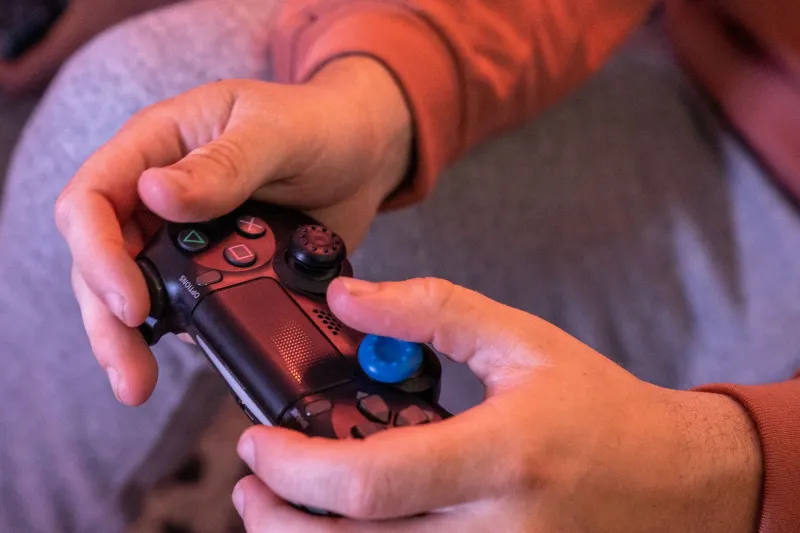
Feeling Good Doesn't Mean Playing Well: The Hidden Cost of Your Favorite Controller Setup
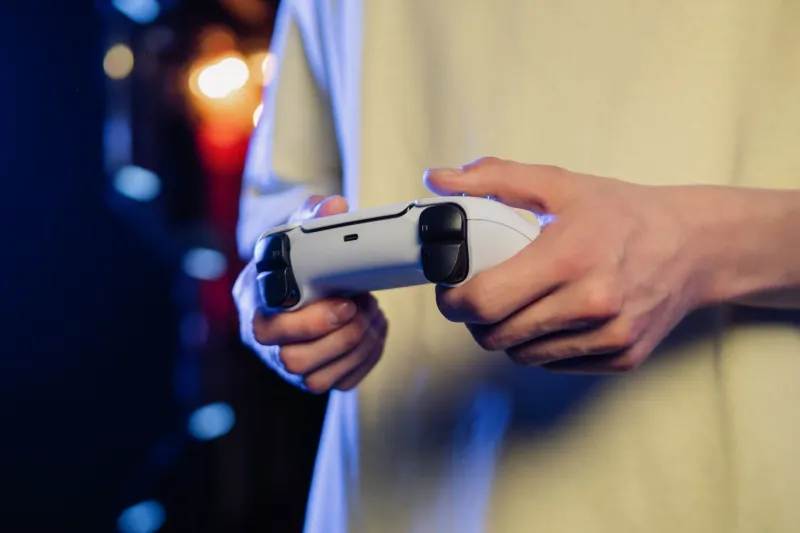
You've got your setup dialed in. Same controller you've been using since forever, same grip style, same button layout. It feels natural. It feels right. And you're probably losing matches because of it.
That's a hard thing to hear, but stick with us — because the science here is actually pretty fascinating, and understanding it might be the single biggest upgrade you make this year without spending a dime on new gear.
The Comfort Trap Is Real
Here's the paradox: the more comfortable something feels, the harder it is to question whether it's actually working for you. Psychologists call this functional fixedness — a cognitive bias where we assume that because something has always worked a certain way, it must be the optimal way. Gamers are especially vulnerable to this.
Think about how you first picked up a controller. You were probably a kid, your hands were smaller, and whatever felt manageable back then got locked in as your baseline. Fast forward ten or fifteen years, and your hands have changed, your game library has changed, your competitive expectations have changed — but your grip style? Probably hasn't moved an inch.
Dr. Lauren Scheck, an occupational therapist who works with esports athletes at a performance clinic in Chicago, puts it bluntly: "Comfort is often just familiarity. The nervous system defaults to what it knows. But 'what it knows' isn't always what's efficient or sustainable."
Hand Size Actually Matters More Than You Think
Controller manufacturers design for an average. That average doesn't fit most people perfectly, and it definitely doesn't account for the massive range of hand sizes across the gaming population. If you've got large hands wrapped around a compact controller, or small hands trying to manage a chunky, wide-bodied grip, you're compensating constantly — you just don't feel it because you've been doing it so long.
Those compensations show up in subtle ways: slower thumb travel between buttons, less precise analog stick control, delayed trigger pulls. None of it feels like a problem because it's all baked into your muscle memory. But millisecond by millisecond, match by match, it adds up.
Measure your hand. Seriously. Palm width, finger length, the distance from your wrist to the tip of your middle finger. Then cross-reference that against the controller you're using. There are sizing guides out there — including some we've covered here on Game Gripper — and a surprising number of players discover they've been using a controller that's a full size category off from what biomechanically suits them.
The 'Break-In Period' Myth
One of the most persistent pieces of bad advice in gaming communities is the idea that you just need to give it time when a new controller or grip setup feels awkward. The logic goes: stick with it long enough and it'll start to feel natural.
Sometimes that's true. But often, what's actually happening is that your body is adapting to something that isn't ideal — not because the setup is becoming better for you, but because you're becoming better at tolerating it.
"There's a difference between adaptation and optimization," says Marcus Yuen, a performance coach who has worked with several North American esports rosters across FPS and fighting game titles. "Players adapt to bad setups all the time. That doesn't mean they've found their peak. It means they've found a ceiling."
The break-in period is real for things like grip material softening or triggers loosening up. It is not real for fundamental ergonomic mismatches. If a controller layout requires you to overextend your pinky, no amount of time is going to make that efficient.
Genre Matters — And Most Gamers Ignore It
Here's another angle most players never consider: the optimal controller setup for a battle royale is not the same as the optimal setup for a fighting game, a racing sim, or an MMORPG. The demands on your hands are completely different.
In an FPS, you're prioritizing analog stick precision and trigger response. Your grip needs to keep your thumbs centered and relaxed. In a fighting game, you're hammering face buttons with speed and accuracy — a setup that's great for aiming might actually slow down your combo execution. In a racing game, your trigger fingers are doing most of the work.
Most gamers pick one setup and use it across everything. That's convenient, but it means you're probably underperforming in at least a couple of genres. The players who are serious about competing in a specific game often maintain different grip configurations or even different controllers depending on what they're playing that day. It sounds obsessive until you realize that athletes in every other sport use different equipment for different conditions.
How to Actually Assess Your Own Setup
So how do you figure out if your current configuration is holding you back? Start with some honest self-evaluation:
Watch your own footage. Most modern consoles and PC setups make it easy to clip gameplay. Watch your hands if you can, or at minimum watch for hesitation moments — those half-second gaps between intention and action that you might be blaming on lag or bad luck.
Time your inputs. There are controller testing apps and in-game training modes that let you measure reaction time and button consistency. Run those tests after a long session when fatigue sets in. Fatigue exposes weaknesses in your setup that don't show up when you're fresh.
Try something deliberately uncomfortable. Borrow a friend's controller. Use a different grip style for a week. Yes, your performance will dip initially. But pay attention to whether certain movements feel easier even if the overall experience feels foreign. That's a signal.
Get a second opinion. If you have access to a coach, a physical therapist, or even a knowledgeable friend, have them watch you play and look at your hand positioning. Fresh eyes catch things you've stopped seeing.
Letting Go Is Part of Leveling Up
The hardest part of all this isn't finding the right setup — it's accepting that the setup you love might not be the setup that serves you. There's a real emotional attachment that develops around gaming gear, especially gear that's carried you through memorable wins and long sessions with friends.
But here's the reframe: the players who are willing to challenge their own habits are the ones who keep improving. Comfort is a plateau. Curiosity is a ladder.
Your controller should fit your hands, suit your genre, and support your play style — not the other way around. If you've been bending your game to fit your gear, it might be time to flip that equation.
Grip the game. Don't let the game grip you back.