When Pro Gamers Blow Up Their Own Setup Mid-Season — And Why Copying Them Is a Trap
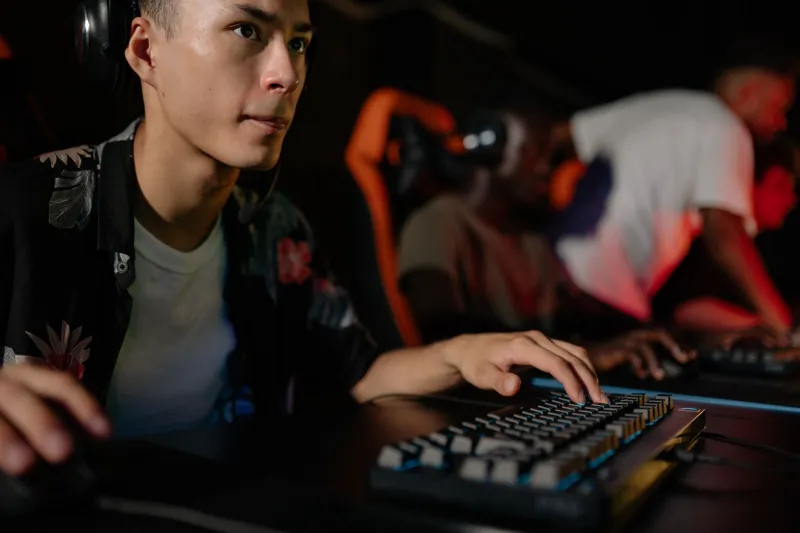
There's a specific kind of chaos that hits a competitive gaming community when a well-known pro suddenly announces they've ditched the controller grip they've been running for two years. Clips circulate. Reddit threads explode. Half the community sprints to buy whatever they switched to, and the other half writes the whole thing off as a sponsor move.
Neither group is asking the right question.
The right question is: why do pro players blow up their own setups mid-season in the first place — and does any of that logic actually apply to the rest of us?
Spoiler: sometimes yes, mostly no. And the difference between those two answers is worth understanding before you drop money on a new grip because your favorite streamer switched theirs.
The Plateau Problem Is Real — But It's Not What You Think
Here's the honest truth about why experienced players start tinkering with their gear when things feel stale. It's rarely the gear itself. More often, it's a performance plateau — that frustrating wall where your numbers stop climbing and your mechanics feel like they've hit a ceiling.
When that happens, the brain goes hunting for variables to change. And gear is the easiest variable to point at. It's concrete. It's purchasable. It feels like a solution.
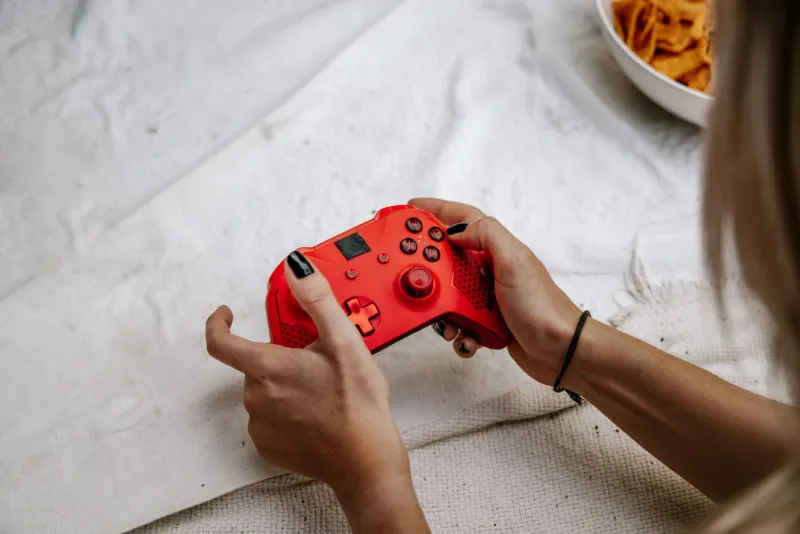
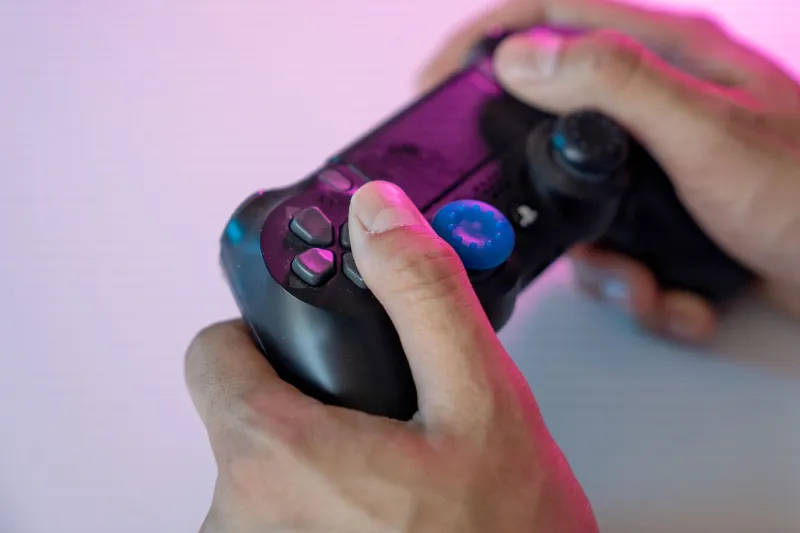
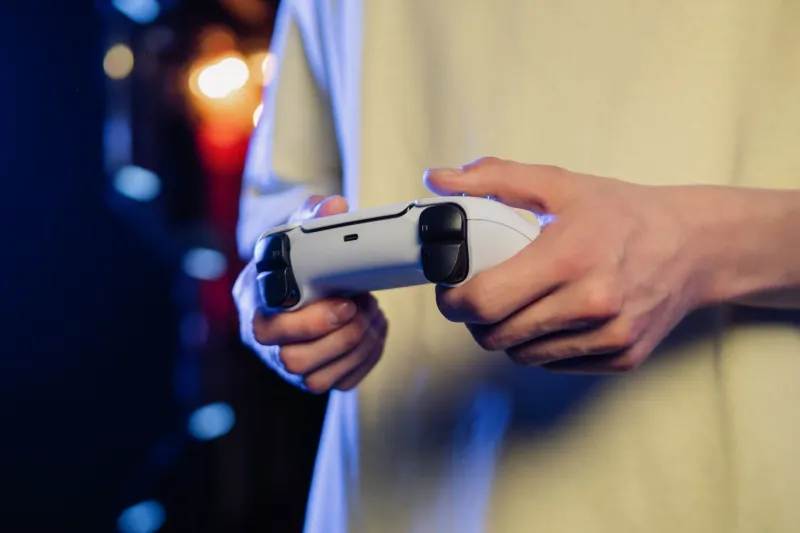
A few competitive players have talked openly about this cycle. One FPS player — who competed at a regional level in Valorant — described switching from a palm grip to a claw grip mid-season because his aim felt inconsistent. He spent six weeks adjusting, lost ground in ranked play, and eventually returned to his original setup. His takeaway? The inconsistency wasn't his grip. It was his crosshair placement habits. The grip change just delayed him from fixing the actual problem.
This isn't a knock on adaptation. Adaptation is good. But there's a meaningful difference between strategic adaptation and distracted adaptation.
The Sunk Cost Trap Hits Different in Esports
Here's where it gets psychologically interesting. Pro players — especially those who've invested serious time and money into a particular controller or grip style — often hold on longer than they should because of that investment. Then, when they finally do make a change, they overcorrect.
That pattern is the sunk cost fallacy doing what it does best: making past investment feel like a reason to either stay too long or bail too dramatically.
The players who navigate gear changes well are the ones who treat their setup like a hypothesis, not an identity. They're not emotionally attached to any particular grip or controller configuration. They're asking, "Is this still serving my playstyle?" — not "Did I spend too much on this to switch now?"
The players who struggle are the ones who either cling to a failing setup because of what they've already put into it, or flip to something new every few weeks chasing a feeling that no piece of gear can actually provide.
What Actually Happened in the Cases That Worked
Let's be fair — some mid-season setup changes do work out. But when you look at the ones that stuck, a few patterns show up consistently.
First, the change was reactive to something physical, not psychological. A player developing early signs of wrist fatigue, for example, switching to a more ergonomic grip or a controller with a different form factor — that's a legitimate, body-driven reason to change. The discomfort isn't in your head, and continuing to grind through it only makes the injury risk worse.
Second, the change was small and deliberate, not a wholesale overhaul. Swapping out grip tape texture, adjusting thumbstick height, or modifying trigger tension — these are targeted tweaks that don't require rebuilding muscle memory from scratch. Players who made micro-adjustments during a season generally fared better than those who changed everything at once.
Third — and this one matters — they had time to transition. A player who makes a grip change eight weeks out from a major tournament has runway to adapt. A player who makes that same change two weeks before a high-stakes bracket is gambling.
Why You Specifically Shouldn't Follow the Pro Playbook Here
Pro players operate in a context that's almost nothing like yours — and that's not a criticism, it's just math.
They play eight to twelve hours a day. Their muscle memory is so deeply grooved that they can absorb a grip change faster than someone logging four hours a week. They also have coaches, analysts, and support staff helping them evaluate whether a change is actually working or whether it's just a placebo response.
You don't have that infrastructure. Which means a mid-session grip change that a pro absorbs in two weeks might cost you two months of inconsistent play.
There's also the sponsorship factor. It's not cynical to acknowledge that some pro gear changes are financially motivated. When a player switches to a new controller brand right around the time a partnership announcement drops, the performance narrative gets a little murky. That doesn't mean the gear is bad — it means you shouldn't treat the switch as pure performance data.
So When Should You Actually Change Your Setup?
Glad you asked. Because the answer isn't "never" — it's "with intention."
Change your grip or controller setup when:
- You're experiencing physical discomfort that persists across multiple sessions. Pain is data. Don't ignore it.
- Your current setup genuinely doesn't support your evolved playstyle. If you've moved from casual play to competitive ranked and your old budget controller isn't keeping up, that's a real mismatch.
- You've identified a specific mechanical limitation — not just a general feeling of being stuck — and a different piece of gear directly addresses it.
- You're in an off-season or low-stakes period where you have time to adapt without sacrificing real results.
Don't change your setup because:
- You watched a pro do it and assumed the logic transfers.
- You've hit a plateau and gear feels like the easiest fix.
- You're bored and a new grip is more exciting than grinding your fundamentals.
- You've already spent so much on your current setup that you feel like you have to justify switching.
The Takeaway
Gear matters. At Game Gripper, that's kind of our whole thing. But gear matters in the context of your game, your hands, and your play schedule — not in the context of what a pro player announced on Twitter between tournament sets.
The best grip is the one you've actually logged hours with. The best controller is the one your hands know by feel. And the smartest upgrade is the one that solves a real problem you've identified — not one you borrowed from someone else's highlight reel.
When you do decide to make a change, make it deliberately, make it small where possible, and give yourself real time to adapt. That's the approach that actually works — whether you're grinding ranked matches in your apartment or playing on a stage in front of thousands.
Everything else is just expensive noise.