Tournament Rules Won't Let You Play Your Way — So Here's How to Train Smarter
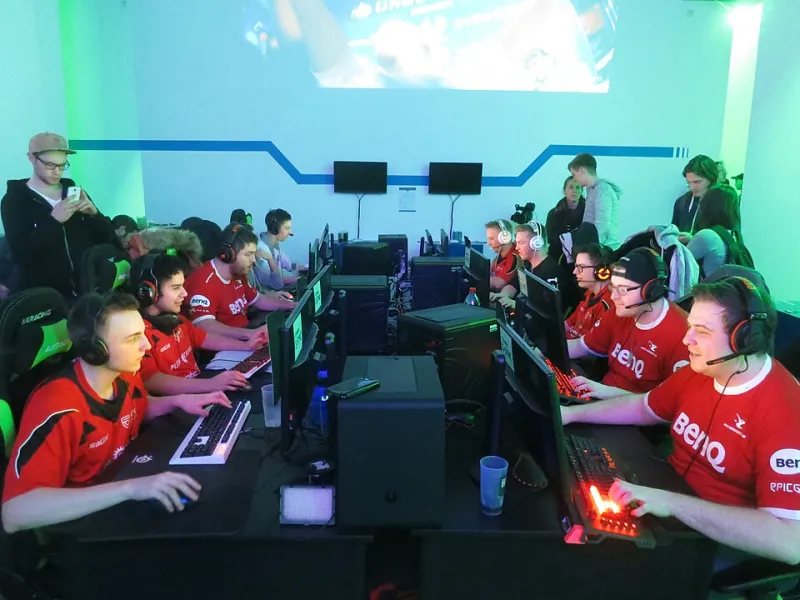
Photo: Alper Çuğun from Berlin, Germany, CC BY 2.0, via Wikimedia Commons
Imagine grinding ranked matches for six months, dialing in your setup exactly the way you like it — custom thumbstick tension, rear paddles mapped to your most-used actions, trigger stops set to hair-trigger sensitivity. You're playing better than ever. Then you show up to your first LAN event and find out half your configuration isn't allowed.
It happens more than you'd think. And it's one of the most frustrating — and avoidable — mistakes aspiring competitive players make.
The Tournament Rulebook Is Not Your Friend (At First)
Esports organizations approach controller regulations differently depending on the game, the organizer, and sometimes even the specific event. But the general direction has been toward more restriction, not less — particularly as competitive integrity concerns have grown alongside prize pools.
In fighting game circuits, tournaments running under EVO or regional qualifier rules often restrict certain controller types entirely, or require that modifications be disclosed and approved before competition. In Call of Duty League play, competitors are locked into specific approved hardware lists — meaning your Scuf with a custom paddle layout might not even be legal depending on the season's ruleset. Rocket League's esports scene has had ongoing debates about analog deadzone manipulation and whether certain controller settings cross the line into unfair advantage.
The specifics change year to year. But the pattern is consistent: the closer you get to official organized play, the less freedom you have over your setup.
Why This Creates a Real Training Problem
Here's the thing about muscle memory — it doesn't care whether your habits are tournament-legal. If you've spent 500 hours using a rear paddle to jump in a battle royale, your brain has wired that motion into your reflexes. Show up to a tournament with a standard controller and suddenly you're fumbling for a face button you haven't consciously pressed in months.
This is the trap. Training exclusively on a heavily customized setup feels great right up until the moment it doesn't. And by then, you're standing in front of a tournament PC trying to rewire your instincts in real time.
The solution isn't to stop using good gear at home. It's to train intentionally — with one eye always on what you'll actually be allowed to use when it matters.
Know the Rules Before You Build the Habit
Step one is deceptively simple: look up the ruleset for the competitive scene you're targeting before you start optimizing your setup around it.
Different games have different regulatory bodies and different levels of enforcement:
- Fighting games (Street Fighter 6, Tekken 8, Mortal Kombat) tend to be relatively permissive about controller type but strict about macros and certain input assists. Hitboxes and leverless controllers are legal in many circuits but banned in others — and that changes.
- Shooters (Call of Duty, Valorant, Halo) often have the tightest hardware restrictions, particularly in officially sanctioned leagues. Check the approved hardware list for the specific circuit you're targeting.
- Battle royales (Fortnite, Apex Legends) have varying standards across different tournament organizers, and rules around aim assist, input delay, and analog settings have been contentious.
The point is: the rulebook exists. Read it. Then build your training setup around it.
The Smartest Approach: A Two-Controller System
Here's a practical framework that competitive-minded players are increasingly adopting — and it's simpler than it sounds.
Controller A: Your Performance Setup This is your daily driver. Use whatever features make you play your best at home — paddles, adjustable triggers, custom thumbsticks. This is where you develop skills, grind ranked, and push your ceiling.
Controller B: Your Tournament-Legal Setup This is a standard or near-standard controller that mirrors what you'll actually be allowed to use in competition. Spend at least 20–30% of your weekly practice time on this controller. Not because it's better, but because you need to stay fluent in it.
The key is that Controller B shouldn't feel like a punishment. It should feel like a different mode — one you're practiced in, not one you're struggling through.
Grip and Ergonomics Still Matter Within the Rules
Here's where the picture gets more interesting: most tournament rulesets restrict electronic modifications and software configurations. They're far less restrictive — or not restrictive at all — about physical grip and ergonomic accessories.
That means even on a tournament-legal standard controller, you have more options than you might think:
- Grip wraps and skins are almost universally allowed and make a real difference in sweat management and control during long sessions or high-pressure matches.
- Thumbstick caps (convex vs. concave, different heights) are typically permitted and can meaningfully affect precision on analog sticks without triggering any hardware restrictions.
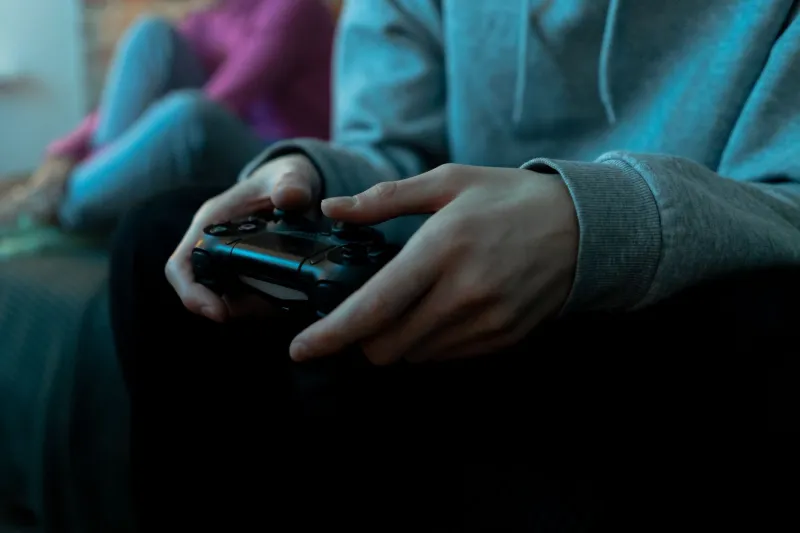
- Controller stands and wrist positioning are entirely in your control. How you hold the controller, your wrist angle, and your hand positioning are all things you can optimize regardless of what equipment restrictions are in place.
This is where ergonomic training pays off. A player who has dialed in their grip technique and physical comfort on a standard controller will outperform someone who's relying entirely on hardware mods to compensate for poor fundamentals.
Bridging the Gap: Practice Drills That Translate
If you're serious about competitive play, here are a few practical habits worth building now:
Alternate your controllers deliberately. Don't just grab the fancy one out of habit. Schedule sessions on your tournament-legal setup and treat them with the same intensity as your regular practice.
Remap conservatively. When using your performance controller, try to keep remapped inputs to things that genuinely improve your play — not just things that feel comfortable. The more your custom layout resembles a standard layout, the easier the mental switch becomes.
Grip consistently. Whatever grip style you use — palm, claw, fingertip — practice it the same way on both controllers. Your grip shouldn't change based on which controller you're holding.
Film yourself. Seriously. Watch your hands during practice. You'll catch habits and compensations you didn't know you had — things that look fine on your home setup but would fall apart on tournament hardware.
The Bigger Picture
Tournament restrictions can feel like the rules are working against you. And sometimes, honestly, they are — certain regulations seem more about organizational control than genuine competitive integrity.
But the players who navigate this best aren't the ones who complain about the rulebook. They're the ones who build their game around adaptability. They're fluent in their setup and capable without it.
That's the real edge. Not the controller. Not the paddle. The ability to perform regardless of what's in your hands.
Grip the game. Even when the game changes the rules on you.