How Competitive Gamers Are Hacking Their Controllers One Grip at a Time

Walk into any serious esports training facility and you'll notice something pretty quickly: almost nobody is gaming on a controller that looks the way it came out of the box. The thumbstick toppers are swapped out. The back panels feel different. And if you look closely at the grip sections, you might spot layers of grip tape, rubberized wraps, or even custom shells that were clearly never part of the original product line.
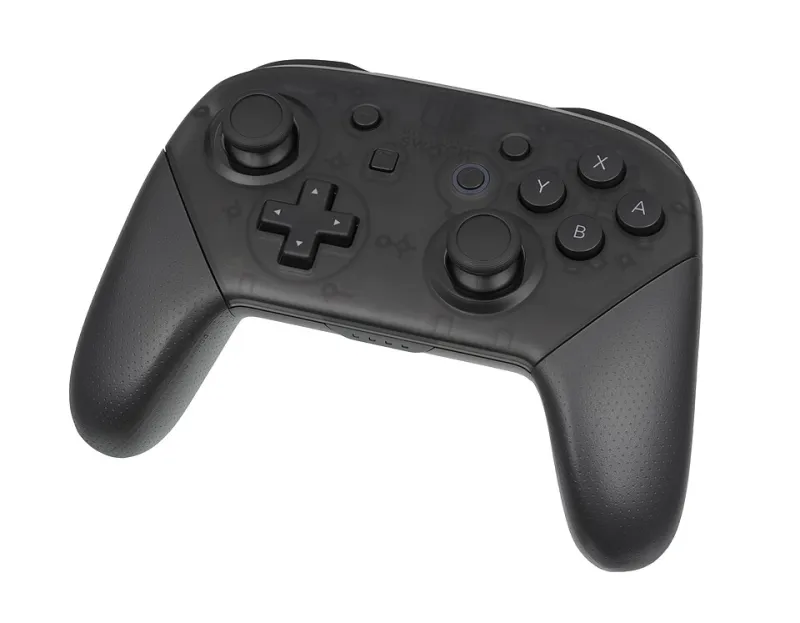
This isn't just aesthetic. The best competitive players in the world have figured out that the factory grip on a standard controller — whether it's a PlayStation DualSense, an Xbox Series controller, or a third-party alternative — is essentially a compromise. It's designed to feel okay for the widest possible audience. But "okay for everyone" is a long way from "optimized for me."
So what exactly are these players doing, and does it actually move the needle on performance?
The Problem with Stock Controllers
Let's be real: modern controllers are impressive pieces of hardware. But the grip surfaces on most of them are designed for comfort at a casual pace, not for the kind of sustained, high-intensity sessions that competitive play demands. After thirty minutes of ranked matches, sweaty palms start to shift grip pressure. Micro-movements become inconsistent. That tiny amount of slip between your hand and the controller body can absolutely affect your aim, your timing, and your overall execution.
Pro players feel this acutely. Even a single missed input during a clutch moment can be the difference between a win and a loss at the highest level. So it makes total sense that the people who make their living gaming are the ones most motivated to fix it.
Tape Wrapping: Low-Tech, High-Impact
One of the most common modifications you'll see at the pro level is grip tape wrapping — specifically, the kind borrowed from racket sports like tennis and badminton. Players like those competing in Call of Duty League and Apex Legends esports circuits have been spotted using thin, tacky overgrip tape wound tightly around the handles of their controllers.
The physics here are straightforward. Grip tape increases surface friction, which means your hand stays more consistently positioned even when things get sweaty. It also adds a slight cushion layer that dampens vibration and reduces hand fatigue over long sessions. The tradeoff is that it adds a small amount of bulk, which some players find changes the feel of the controller in ways they have to adjust to.
The wrap technique matters too. A lot of players start from the bottom of the handle grip and wind upward in overlapping layers, finishing at the trigger guard area. The tension has to be consistent — too loose and you get bunching, too tight and the tape loses its cushioning effect.
Custom Thumbstick Toppers and Grip Extensions
Beyond the handles, the thumbsticks themselves are a major point of customization. Companies like KontrolFreek have built entire product lines around this idea, and for good reason. The height and shape of a thumbstick topper directly affects your range of motion and the precision of your analog input.
Taller thumbstick extensions give players a wider arc of movement for the same thumb travel, which translates to finer control over analog aiming — particularly useful in games like Warzone or Rainbow Six Siege where micro-adjustments at range matter enormously. Shorter, domed toppers tend to favor faster, more instinctive movements in close-quarters scenarios.
Competitive players often mix and match — a taller extension on the right stick for aiming precision, a shorter concave topper on the left for quicker directional inputs. It sounds like a minor detail until you've actually tried it and felt how differently your thumb behaves.
Custom-Molded and 3D-Printed Solutions
At the far end of the customization spectrum, some players are going fully bespoke. There's a growing community of competitive gamers — especially in the fighting game and racing simulation scenes — who are commissioning custom-molded grip panels that are literally shaped to their hand.
The process involves either a professional hand-casting or a 3D scan, followed by a printed or cast grip shell made from materials like thermoplastic rubber or medical-grade silicone. These grips conform to the exact contour of a player's palm, eliminating dead space between hand and controller and distributing pressure more evenly across the fingers.
It's not cheap. Custom solutions can run anywhere from $80 to several hundred dollars depending on the provider and materials. But for players whose livelihood depends on consistency, the investment starts to look pretty reasonable.
Which Genres Benefit Most?
Not every game rewards grip customization equally. Here's a quick breakdown of where these modifications tend to make the biggest difference:
First-Person Shooters (FPS): This is where grip precision pays off most visibly. Reduced slip and better thumbstick control directly affect aim consistency. Tape wrapping and thumbstick toppers are almost universally used here.
Fighting Games: Hand fatigue is a serious issue in extended tournament sets. Custom-molded grips and ergonomic modifications help players maintain consistent input timing across multiple long matches.
Racing Sims: Trigger feel and hand positioning are critical. Players in this genre often focus heavily on the grip around the trigger area and the back of the controller.
Battle Royale and BR-Adjacent Games: The mix of building, aiming, and rapid menu navigation means players often opt for a balanced setup — moderate thumbstick height, full grip tape coverage, and sometimes back button attachments.
The Science Behind the Edge
There's actual biomechanics research supporting a lot of this. Studies on tool grip in occupational therapy and sports science consistently show that optimal grip pressure — not too tight, not too loose — produces the most accurate and repeatable fine motor movements. When a controller grip is slippery or doesn't match the natural contour of a player's hand, they tend to compensate by gripping harder, which introduces tension up through the forearm and ultimately degrades precision.
In other words, a better grip isn't just about comfort. It's about freeing your muscles to do what they're actually good at.
Should You Bother?
Here's the honest take: if you're a casual player, a basic grip cover or a set of thumbstick toppers is probably as far as you need to go. The returns are real but incremental, and the further you go down the customization rabbit hole, the more you need to be playing at a level where those increments actually matter.
But if you're grinding ranked modes, competing in local tournaments, or just taking your game seriously enough to practice with intention — dialing in your grip setup is one of the highest-return investments you can make. It costs less than a new controller, it's fully reversible, and the performance difference is something you'll feel within a few sessions.
Pros aren't doing this stuff for fun. They're doing it because it works.