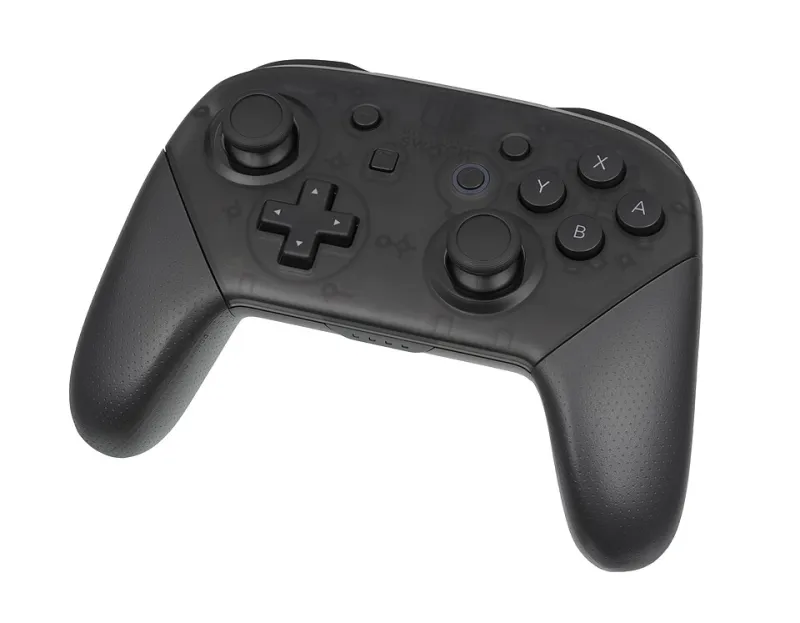
Claw Grip or Palm Grip: The Real Difference Between Winning and Losing in FPS Games

Photo by Photo by Glenn Carstens-Peters on Unsplash on Unsplash
Most gamers never think twice about how they hold their controller. You pick it up, your hands fall into whatever position feels natural, and you start playing. But here's the thing — that "natural" position might be costing you kills, costing you ranked points, and in some cases, costing you your hand health over time.
If you've spent any time watching pro FPS players on Twitch or at events like the Call of Duty League or ESL, you've probably noticed that not everyone holds their controller the same way. Some players have their fingers arched high over the face buttons like they're playing a tiny piano. Others let the controller sink deep into their palm like they're cradling it. These aren't random quirks — they're deliberate techniques with real competitive implications.
Let's break down both grip styles so you can make an informed decision about what's actually working for you.
What Is the Palm Grip?
The palm grip is exactly what it sounds like. Your entire hand wraps around the controller, with the base of the controller resting against your palm and your fingers lying relatively flat across the buttons and triggers. It's the most common grip style, especially among casual players, and it's the one most people default to right out of the box.
The big advantage here is comfort. The palm grip distributes pressure evenly across your hand, which means less fatigue during long sessions. If you're the kind of gamer who logs four or five hours on a weekend without thinking about it, this grip is your friend. It's also generally better for players with larger hands, since the full-hand contact gives you more control over the physical weight and balance of the controller.
On the downside, the palm grip limits your thumb mobility. When your thumb is lying flat on the analog stick, your range of motion is naturally restricted. In fast-paced FPS titles like Apex Legends or Warzone, where micro-adjustments and rapid stick flicks are the difference between a clean headshot and a missed kill, that restricted range can show up in your gameplay.
What Is the Claw Grip?
The claw grip involves arching your index finger (and sometimes middle finger) over the top of the controller so you can hit the face buttons — Triangle, Square, Circle, X on PlayStation or the equivalent on Xbox — without lifting your thumb off the analog stick. Your hand takes on a slightly curved, claw-like shape, hence the name.
This technique is popular among competitive FPS players because it solves a fundamental problem: you no longer have to choose between aiming and pressing buttons simultaneously. In a game like Halo Infinite or Rainbow Six Siege, being able to jump, reload, or swap weapons without breaking your aim can be the margin between a clutch play and an early death screen.
The trade-off is real, though. The claw grip puts your fingers in an unnatural position for extended periods, which can lead to hand cramping, finger fatigue, and in serious cases, repetitive strain injuries. Players who have transitioned to claw grip often report a significant adjustment period — sometimes weeks — before it starts feeling comfortable.
How Hand Size Changes Everything
Here's something the YouTube tutorials don't always mention: hand size is a huge factor in which grip style actually works for you.
Players with smaller hands often find the claw grip more accessible because their fingers naturally have to arch a bit to reach the buttons anyway. The transition feels less dramatic. Larger-handed players, on the other hand, may find the claw grip awkward or even painful because their fingers are already reaching further than average.
A good rule of thumb (no pun intended): if your middle finger comfortably reaches the trigger while your index finger can hover over the face buttons without straining, claw grip is worth experimenting with. If that position feels like you're trying to fold your hand in half, stick with palm and look into other optimizations like trigger extenders or adjustable thumbstick height.
Genre Matters More Than You'd Think
Not all FPS games demand the same things from your hands. A slower, tactical shooter like Escape from Tarkov rewards patience and precision — two things the palm grip handles well. A faster, more chaotic game like Apex Legends or Fortnite punishes hesitation, which is where the claw grip's simultaneous input advantage really shines.
If you play across multiple genres — say, you're grinding FPS games but also playing RPGs or sports titles on the side — the palm grip's versatility might make more sense as your default. Claw is a specialized tool. It excels in specific competitive scenarios but isn't necessarily the right grip for every game in your library.
Protecting Your Hands for the Long Game
Regardless of which grip style you choose, hand health isn't optional if you want a long competitive career — or even just a comfortable hobby.
For palm grip players, the main risk is static tension in the fingers and wrist from holding the controller in a fixed position for hours. Take breaks every 45 to 60 minutes, stretch your fingers backward gently, and rotate your wrists. Using a controller with a textured grip or adding aftermarket grip tape can also reduce the unconscious tension you apply when your hands start to sweat.
For claw grip players, the risk profile is more serious. Tendonitis and repetitive strain injuries are real concerns, particularly in the index finger and the tendons running along the back of the hand. Warm up before long sessions — yes, literally warm up your hands like an athlete — and pay attention to any persistent soreness or tingling. That's your body telling you to dial it back.
A quality ergonomic controller or a set of well-fitted grip covers can also reduce strain for both styles by improving the natural alignment of your hand on the controller.
So Which One Should You Use?
Honestly? The answer isn't universal, and anyone telling you there's a single "correct" grip is selling something.
If you're a competitive FPS player who wants every possible edge and you're willing to put in the practice time to adjust, the claw grip has a legitimate performance advantage in fast-paced titles. If you prioritize comfort, play across multiple genres, or have larger hands, the palm grip is a perfectly valid choice that plenty of high-level players use successfully.
The smarter play is to experiment deliberately. Spend two weeks consciously practicing the claw grip in lower-stakes matches and see if your performance improves. If it does and your hands hold up, you've found your edge. If it feels forced and uncomfortable even after consistent practice, don't fight your anatomy.
At Game Gripper, we believe the best setup is the one that fits your hands, your game, and your goals — not someone else's highlight reel. Grip the game your way.