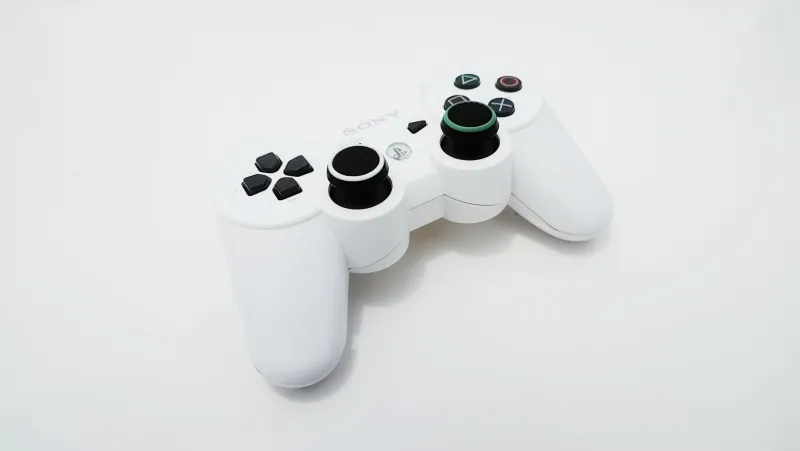
Ghost Inputs: How Your Old Controller Is Still Running Your Hands
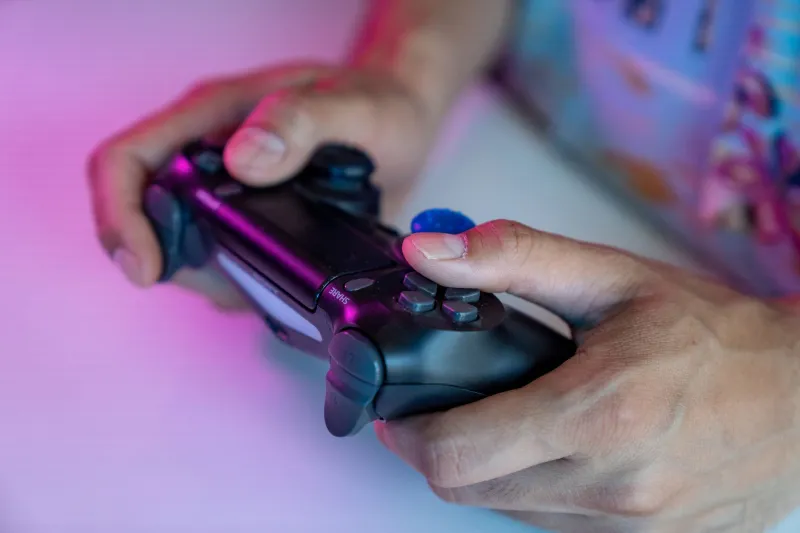
You finally made the upgrade. New controller, better ergonomics, maybe a fresh grip layout you've been eyeing for months. You plug it in, load up your main, and promptly play like you've never touched a game in your life.
Welcome to the muscle memory trap — and you are absolutely not alone in it.
Here's the thing nobody tells you when you drop $70 or $150 on a new piece of gear: your hands have opinions. Strong ones. And they are not interested in your upgrade timeline.
What's Actually Happening in Your Hands (and Your Head)
Muscle memory isn't really stored in your muscles at all — it lives in your cerebellum, the part of your brain responsible for coordinating movement. When you repeat a physical action enough times, your brain builds what neuroscientists call a "motor program" — essentially a shortcut that lets you execute that movement without conscious thought.
That's great news when you've been grinding the same controller for two years. Your button presses, your analog stick pressure, your grip angle — all of it gets baked into these programs at a surprisingly deep level. Your brain isn't just remembering where the buttons are. It's memorizing the exact force you apply, the micro-adjustments your fingers make, even the way your palm cradles the body of the controller.
Swap in a new device, and suddenly every one of those programs is slightly wrong. The stick throw feels different. The triggers resist at a different point. The controller sits in your hand at a different angle. Your brain is still running the old software on new hardware, and the mismatch is what you're feeling when you overshoot a turn or fumble an input you've nailed ten thousand times before.
Why Some Players Seem to Switch Without Skipping a Beat
You've probably seen it — a streamer swaps their whole setup mid-season and is back to peak performance in a week. Meanwhile, you switched from one Xbox controller variant to another and you're still fumbling menus three weeks later. What gives?
A few things are actually going on here.
First, experience volume matters enormously. Players who have been gaming seriously for years have built what researchers call "transfer-appropriate processing" — their motor programs are flexible enough that a similar input device triggers a fast recalibration rather than a full rewrite. Think of it like speaking a second language. Your first foreign language is brutal. Your fourth one comes faster because your brain already knows how to build those pathways.
Second, and this one stings a little, pros often have support structures that regular players don't. Dedicated practice time, coaches who can spot mechanical regression, and the psychological safety net of knowing their livelihood depends on pushing through the dip — all of that accelerates adaptation. When a top-tier player switches gear, they're also logging eight-plus hours a day with that new device under controlled conditions. That's not a realistic comparison for someone with a job, a family, and maybe two hours of gaming on a weeknight.
Third — and this is the part most people skip — experienced players often switch strategically. They don't just grab a new controller and jump into ranked. They build in a deliberate decompression period, which we'll get to in a minute.
The Real Timeline (It's Longer Than You Think)
Here's where we have to get honest with you: genuine motor reprogramming for a significant controller change typically takes four to eight weeks of consistent play. Not "I played a lot this weekend" weeks. Consistent, daily repetition weeks.
For minor changes — swapping to a different grip texture, changing your stick caps, adjusting trigger sensitivity — you might feel normalized in seven to ten days. But a full controller switch, especially one that changes the physical dimensions of what's in your hands? You're looking at a real adaptation window, and the first two weeks are usually the worst of it.
The dip in performance during that window is real and documented. Players in competitive communities across Reddit and Discord consistently report a "valley" period where their stats noticeably drop before they recover and eventually improve. The mistake most people make is interpreting that valley as evidence that the new controller is wrong for them — and switching back. Which just restarts the whole cycle.
Strategies That Actually Shorten the Transition
You can't skip the adaptation process, but you can make it hurt less. Here's what actually works.
Stay out of ranked during the valley. Seriously. The pressure of competitive play activates your stress response, which makes your brain more likely to default to old motor patterns — not less. Casual modes, aim trainers, even just messing around in a practice range lets your nervous system experiment without consequence. You build new patterns faster when the stakes are low.
Isolate one variable at a time if possible. If you're switching controllers and changing your sensitivity and trying a new grip style simultaneously, you're making it nearly impossible to know what's working. Stagger your changes where you can. Let one thing settle before you adjust another.
Do deliberate slow-motion practice. This sounds counterintuitive, but slowing down movements and executing them consciously — rather than relying on automaticity — actually speeds up the creation of new motor programs. Spend fifteen minutes a session doing things slowly and correctly rather than playing at full speed and hoping your hands figure it out.
Journaling your sessions helps more than you'd expect. Not in a diary sense — just quick notes about what felt off and what felt better. Tracking the adaptation gives you objective evidence of progress during a period when subjective feel is completely unreliable. Your brain will tell you the new controller is terrible. Your notes might tell a different story.
Give yourself permission to be bad at it. This one is psychological, but it's load-bearing. Players who accept the transition dip as a normal part of the process adapt faster than players who fight it. Frustration and self-criticism actually slow motor learning by keeping your nervous system in a defensive state. Sounds soft, but the research backs it up.
The Gear Is Only Half the Equation
At Game Gripper, we spend a lot of time talking about the physical specs of controllers, grips, and ergonomic gear — because those things genuinely matter. But the best controller in the world doesn't do anything for you if your hands are still running ghost inputs from your last setup.
The upgrade is worth it. The adaptation is worth it. But go in with realistic expectations about the timeline, build in a deliberate transition strategy, and stop treating the performance dip like a verdict on your gear choice.
Your hands will catch up. You just have to give them the runway to do it.